
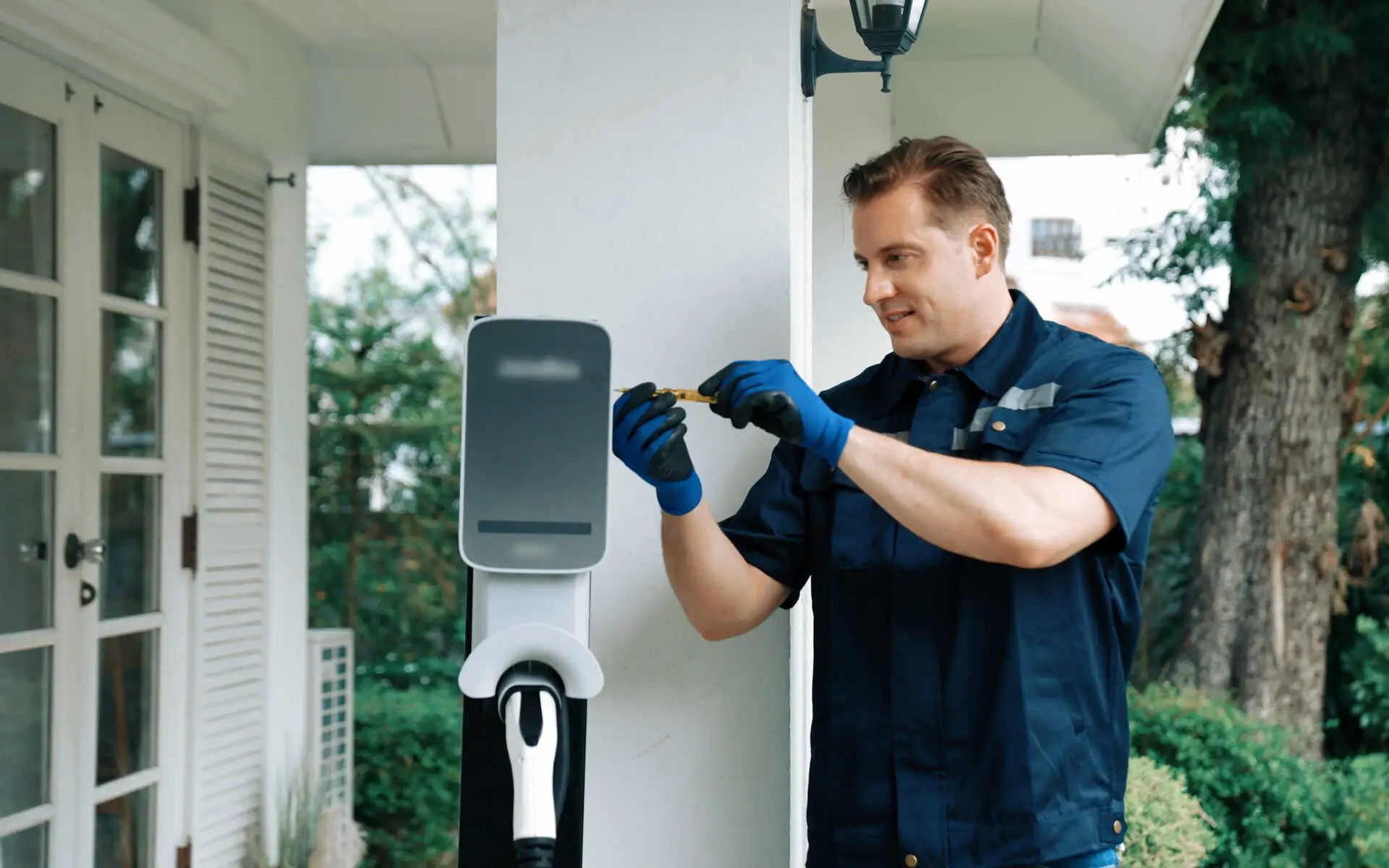
Installing an EV charger at home can make owning an electric vehicle much more convenient, but the installation needs to be planned around the home’s existing electrical system. The most common mistakes include choosing the wrong charger, overlooking electrical panel capacity, using an unsuitable circuit, installing the charger in a poor location, and attempting electrical work without professional help.
A home EV charger is a significant electrical load, particularly when installing a Level 2 charger. Taking the time to evaluate the electrical system and plan the installation properly can help homeowners avoid unnecessary costs, charging problems, and potential safety issues.
Choosing a Charger Without Considering Your Vehicle
One of the first mistakes homeowners make is buying a charger before checking what their vehicle can actually support.
EVs have different maximum charging rates. A high-powered charger may be capable of delivering more electricity than the vehicle can accept. In that situation, paying extra for a higher-capacity charger may not provide a practical benefit.
Before purchasing equipment, check your vehicle manufacturer’s charging specifications and determine the charging speed that makes sense for your normal driving habits.
Ignoring the Electrical Panel’s Capacity
Your home’s electrical panel is one of the most important factors to consider before installing an EV charger.
A Level 2 charger can add a substantial continuous electrical load. If the panel is already operating close to its available capacity, simply adding another circuit may not be appropriate.
Older homes can present additional challenges because they may have smaller electrical services, older panels, limited breaker space, or wiring that requires upgrading.
A professional electrical evaluation can determine whether the existing system can safely accommodate the new charger or whether an upgrade should be considered.
Assuming Any Outlet Will Work
Another common mistake is assuming that an EV charger can be connected to any convenient electrical outlet.
Some portable charging equipment can use a standard household outlet, but faster charging often requires a dedicated circuit designed specifically for the charger’s electrical requirements.
Using an existing circuit that also supplies other appliances can create problems if the combined load exceeds what the circuit was designed to handle.
The electrical requirements should be determined before deciding where and how the charger will be connected.
Installing the Charger Too Far From the Parking Area
Charger location matters more than some homeowners realize.
Installing the unit too far from where the vehicle is normally parked can make everyday charging inconvenient. The charging cable may not reach comfortably, or the homeowner may need to use extension solutions that are not appropriate for the equipment.
Think about where the vehicle is parked every night and where the charging port is located on the vehicle.
For a garage installation, the charger may work well on a nearby wall. For an outdoor installation, the equipment needs to be suitable for the environment and positioned where it can be accessed safely.
Choosing a Location Without Considering Weather
Outdoor EV chargers need to be selected and installed with environmental conditions in mind.
Rain, snow, ice, heat, and direct sunlight can all affect electrical equipment. The charger should be designed for its intended installation environment, and its electrical connections should be installed according to applicable requirements.
This is particularly important in areas that experience significant seasonal weather changes.
Homeowners should not assume that every indoor charger is automatically suitable for outdoor installation.
Using an Extension Cord as a Permanent Solution
An extension cord may seem like an easy way to reach a vehicle parked farther from the outlet, but it should not be treated as a substitute for a properly designed EV charging circuit.
EV charging can continue for several hours and represents a significant electrical load. Using unsuitable extension equipment can create unnecessary risks, especially if the cord is not rated for the electrical demand or environmental conditions.
A permanent charging location is generally better served by properly installed electrical equipment rather than an improvised connection.
Forgetting About Future Charging Needs
Another mistake is planning only for the vehicle you own today.
You may eventually purchase a different EV, add another electric vehicle to the household, or want faster charging in the future.
That does not mean every homeowner needs the largest charger available. However, thinking about future needs during the initial electrical planning process can help avoid unnecessary modifications later.
A conversation with a qualified electrician can help determine whether additional capacity or a particular installation approach would make sense.
Focusing Only on the Charger Price
The cost of the charging unit is only one part of the total installation.
Depending on the property, the project may require new wiring, a dedicated circuit, conduit, a breaker, panel modifications, or other electrical work.
A low-cost charger may therefore become a more expensive project if the home requires significant electrical modifications.
Instead of comparing chargers solely by purchase price, homeowners should consider the complete installation and the equipment’s suitability for their electrical system.
Trying to Handle Electrical Work as a DIY Project
Installing a high-powered EV charging circuit is not the same as plugging in a small household appliance.
Electrical work can involve the service panel, breakers, wiring, grounding, and other components that require appropriate knowledge and equipment.
Mistakes can damage equipment or create electrical hazards.
Homeowners who need professional assistance can contact Edison Electric Inc to have the electrical system evaluated and determine what is needed for the installation.
Forgetting About Permits and Local Requirements
Electrical installations may be subject to local codes, permit requirements, inspections, and other regulations.
Requirements can vary depending on the location and the type of installation. Homeowners should not assume that a charger can be installed without checking the applicable requirements.
A qualified electrical contractor can help determine which requirements apply to the project and ensure that the installation is approached accordingly.
This can also make it easier to address potential issues before installation begins rather than discovering them after the work is complete.
Not Planning Cable Management
Cable management is another detail that can easily be overlooked.
The charging cable needs to reach the vehicle without creating a tripping hazard or being exposed to unnecessary damage. A good installation should provide a practical way to store the cable when it is not being used.
Consider the location of the charging port, the vehicle’s parking position, pedestrian pathways, garage doors, and other obstacles.
A few minutes of planning can make daily charging considerably easier.
Choosing the Wrong Charging Speed
Faster is not always necessary.
Someone who drives 20 or 30 miles a day may have very different charging requirements from someone who regularly drives 100 miles or more.
A slower charging setup may be sufficient for one household, while another driver may benefit from a Level 2 system that can replace more of the vehicle’s energy overnight.
The goal should be to select a charging setup that matches actual driving habits rather than automatically choosing the highest available charging speed.
Failing to Consider the Total Electrical Load
An EV charger is only one of many electrical loads in a modern home.
Air conditioners, electric water heaters, dryers, ovens, heat pumps, and other major appliances can all operate at significant power levels.
If several high-demand appliances operate simultaneously, the home’s electrical system needs to be capable of handling the combined demand.
This is why evaluating the overall electrical load is important before adding a dedicated EV charging circuit.
A home EV charger can be a convenient addition to an electric vehicle owner’s daily routine, but proper planning is essential.
The biggest mistakes are usually avoidable: selecting equipment without checking vehicle compatibility, overlooking electrical panel capacity, using unsuitable outlets or extension cords, choosing an inconvenient location, ignoring weather exposure, and treating professional electrical work as a DIY project.
Before purchasing a charger, consider how much you drive, where the vehicle is parked, what charging speed you actually need, and whether your home’s electrical system can support the additional load.
Professional EV Charger installation can also help ensure that the equipment, circuit, location, and electrical system are considered together rather than treating the charger as a standalone appliance.