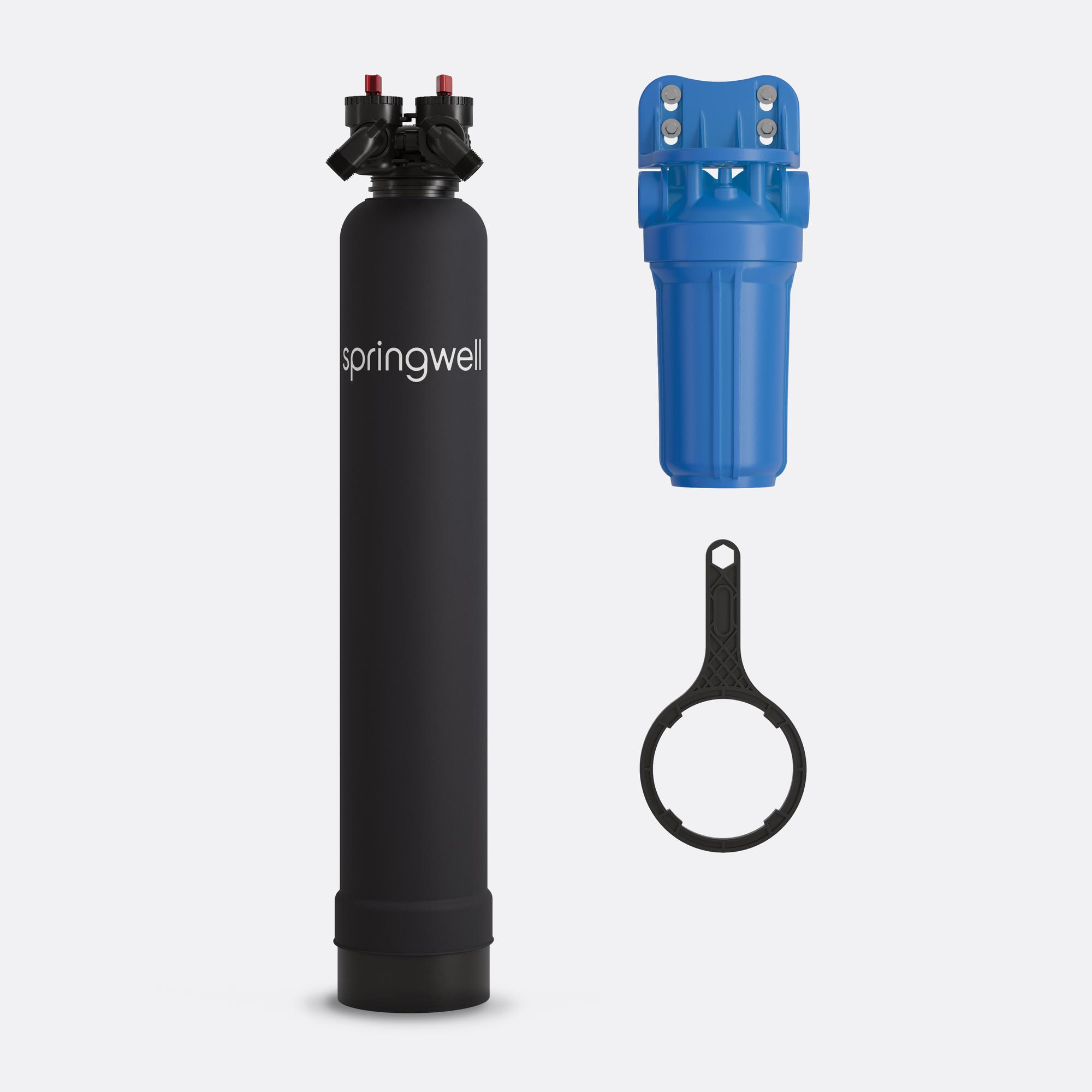
Water softener placement affects far more than how neatly the equipment fits into a utility room. Good water softener placement ideas account for plumbing connections, drainage, electrical requirements where applicable, service clearance, salt-loading access, and a route that lets heavy bags reach the brine tank without unnecessary obstacles.
A compact installation can still be inconvenient if routine maintenance becomes difficult.
Start With the Service Path
Think about how someone will physically approach the unit before choosing its final position. A softener hidden behind stored belongings or squeezed between equipment may make inspection and maintenance harder.
The brine tank also needs comfortable overhead access. Shelving installed directly above it can interfere with opening the lid and pouring in salt.
Consider the Route From Storage
If salt is stored elsewhere, consider the distance between that storage location and the softener. Carrying heavy bags through narrow doors, around appliances, or down cluttered paths can turn routine refills into an awkward job.
Give the Equipment Breathing Room
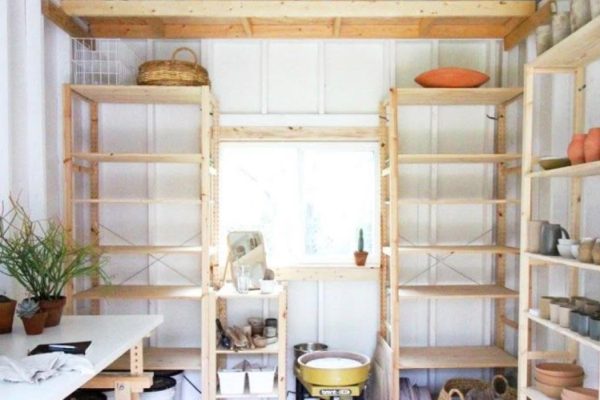
Mechanical areas often become crowded because every available wall seems useful for shelving. Resist the temptation to fill the clearance around water equipment with permanent storage.
Planning principles used in functional home design apply here too: working areas need space for hands, tools, removable covers, and normal movement.
Leave valves and connections visible where practical. A tidy installation should improve access rather than hide the plumbing that may eventually need service.
| Placement Factor | Better Approach | Benefit |
|---|---|---|
| Brine tank | Open top clearance | Easier salt loading |
| Valves | Keep reachable | Faster servicing |
| Walkway | Maintain clear route | Easier bag handling |
| Storage | Keep nearby, not blocking | Less clutter |
Coordinate the Softener With the Room Layout
A basement or utility room may hold laundry equipment, filtration housings, a water heater, storage racks, and household supplies. Planning the softener as part of that whole layout helps prevent one component from blocking another.
Some utility-room layout inspiration can be adapted by placing tall storage away from service zones and keeping the central walking path clear.
Lighting deserves attention as well. Good visibility around connections and controls makes routine checks easier.
Store Salt Without Blocking Equipment
Keeping salt reasonably close to the softener can reduce carrying distance, but bags should not crowd valves, pipes, drains, or electrical components. A dry shelf, low platform, or designated storage corner can keep supplies organized.
Broader household storage planning can provide ideas for separating bulk supplies from equipment while keeping them within easy reach.
Protect the Refill Area
Salt granules can spill during refilling. A washable, moisture-resistant floor around the brine tank simplifies cleanup and is more practical than delicate finishes.
Placement Choices That Create Problems
The tightest possible installation is rarely the easiest one to live with. Saving a few inches of floor space can create years of awkward valve access, difficult salt loading, and complicated servicing.
Overhead shelving is another common issue. It may look efficient until the brine tank lid cannot open fully. Avoid designing the room around equipment dimensions alone; maintenance movements need space too.
Frequently Asked Questions
Should a water softener be close to the main water line?
Softener placement is generally coordinated with the home’s plumbing arrangement so the intended water supply passes through the equipment. The exact connection point depends on the property’s system and installation requirements.
How much space should be left above a brine tank?
Leave enough room to open or remove the lid comfortably and pour salt into the tank without hitting shelving, pipes, or other obstacles. Required clearance varies with the specific equipment.
Is it helpful to store salt near the softener?
Yes, nearby storage can reduce carrying distance. Keep bags dry and organized, and avoid placing them where they restrict access to valves, drains, plumbing connections, or the softener itself.
Make Routine Service Easier From Day One
Place the softener for maintenance rather than for appearance alone. A clear walkway, accessible valves, generous brine-tank clearance, sensible salt storage, and good lighting can make routine ownership far easier. The best location is one that works not only on installation day but every time the equipment needs attention afterward.